261 North University Drive, Suite 500, Plantation, Florida 33324, United States
 Support



ICC T20 World Cup 2026 Stadium Guides and Match‑Day Essentials
Attending a T20 World Cup match is not like going to an ordinary domestic game. Gates open earlier, checks are stricter, food courts are busier, and the sheer number of travelling fans means everything from transport to toilets will be under pressure. A little advance knowledge about each ground can turn a chaotic day into a smooth, unforgettable experience.
This guide focuses on how each stadium feels and functions for fans, rather than just listing numbers. Capacity, typical entry routines, and general bag‑policy trends are described in plain language so you know what to expect, while leaving room for you to confirm final details from official tournament updates closer to your matches.
How to Read These Stadium Guides
Before diving into the individual grounds, it helps to understand how this article is structured. Each stadium section looks at:
-
The atmosphere and layout – what the venue feels like when full, how the stands are arranged, and who it suits best.
-
Capacity and crowd flow – not just an approximate seat count, but what that means for queues, noise levels, and movement on concourses.
-
Entry, security, and bag expectations – the kinds of items that are usually allowed or restricted, and how to approach screening without stress.
-
Inside the venue – food, water, restrooms, accessibility, and little details that can make or break your day.
Exact rules can change from event to event, so always treat this as a strategic guide and check the latest instructions issued with your ticket, on the tournament site, or via venue announcements closer to match day.
Narendra Modi Stadium, Ahmedabad – The Colossus
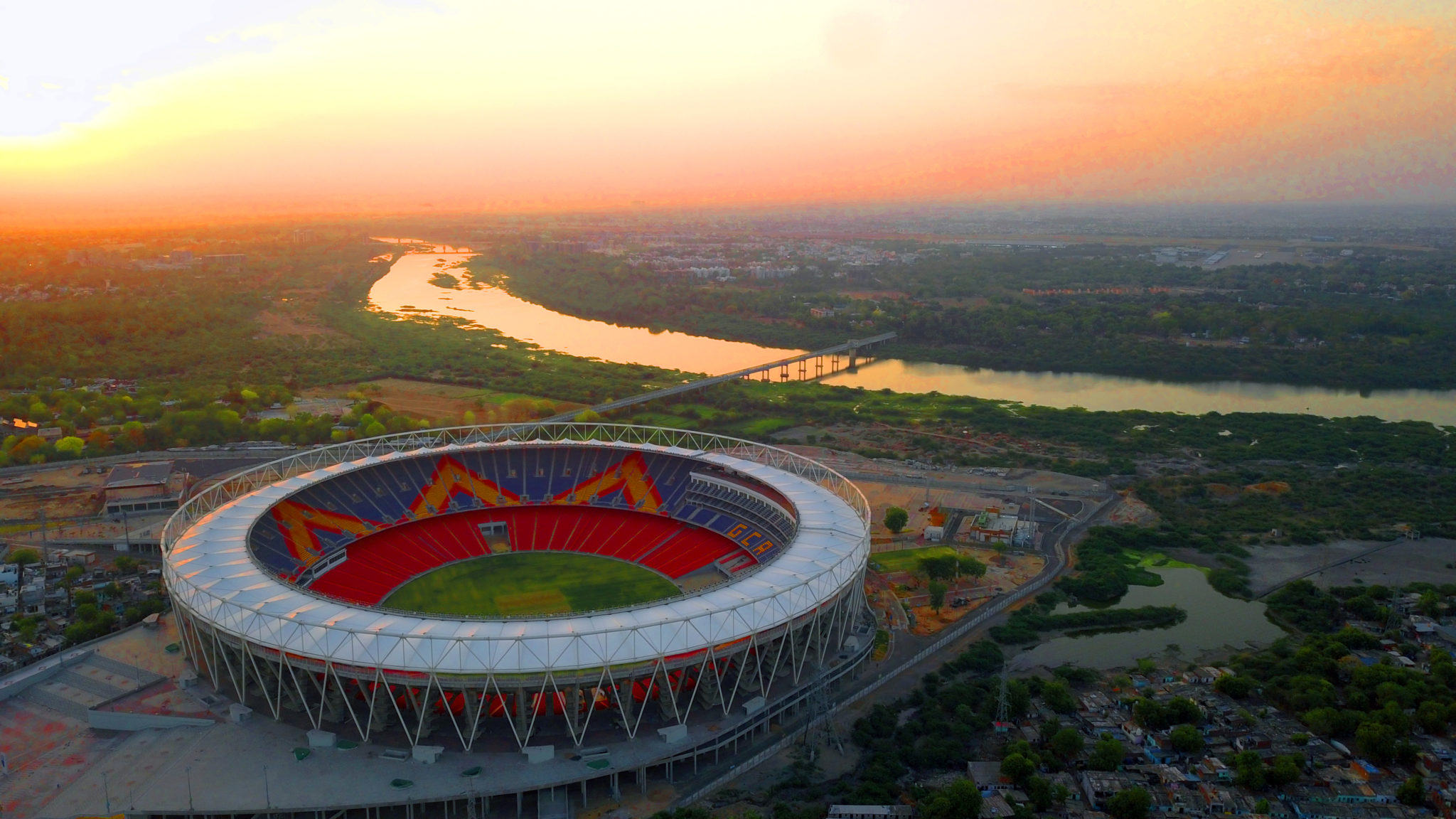
The Ahmedabad venue is often described as a cricketing amphitheatre, simply because of how vast it feels when you walk in. With seating that rises steeply around the playing area, the sound drops down onto the field and bounces back into the stands, creating a sense of scale that few stadiums in the world can match. When filled for a T20 World Cup night game, it becomes a wall of colour and noise that can be overwhelming for first‑timers but unforgettable for anyone who loves big‑event energy.
In practical terms, the size of the stadium means crowd flow is everything. Even if the official capacity figure impresses you on paper, what matters as a fan is how that translates into queues at gates, bottlenecks on ramps, and waiting times for food and restrooms. Plan to arrive at the ground well before the toss, especially for India matches or knockout fixtures, because security screening has to process huge numbers of people in a limited window.
Bag rules at large Indian stadiums typically lean conservative. Small personal bags or pouches are usually safer than large backpacks, and many fans choose to carry only essentials: phone, wallet, ID, a small cloth or hat, and perhaps a light rain jacket if conditions demand it. Power banks, metal water bottles, and professional‑style cameras are often restricted or banned during major events, so keep your load minimal and check your match information for any lists of prohibited items. Inside, expect a mix of local snacks and standard stadium fast food, with queue times peaking at innings breaks and the mid‑match surge.
Wankhede Stadium, Mumbai – Intimate, Loud, and Coastal
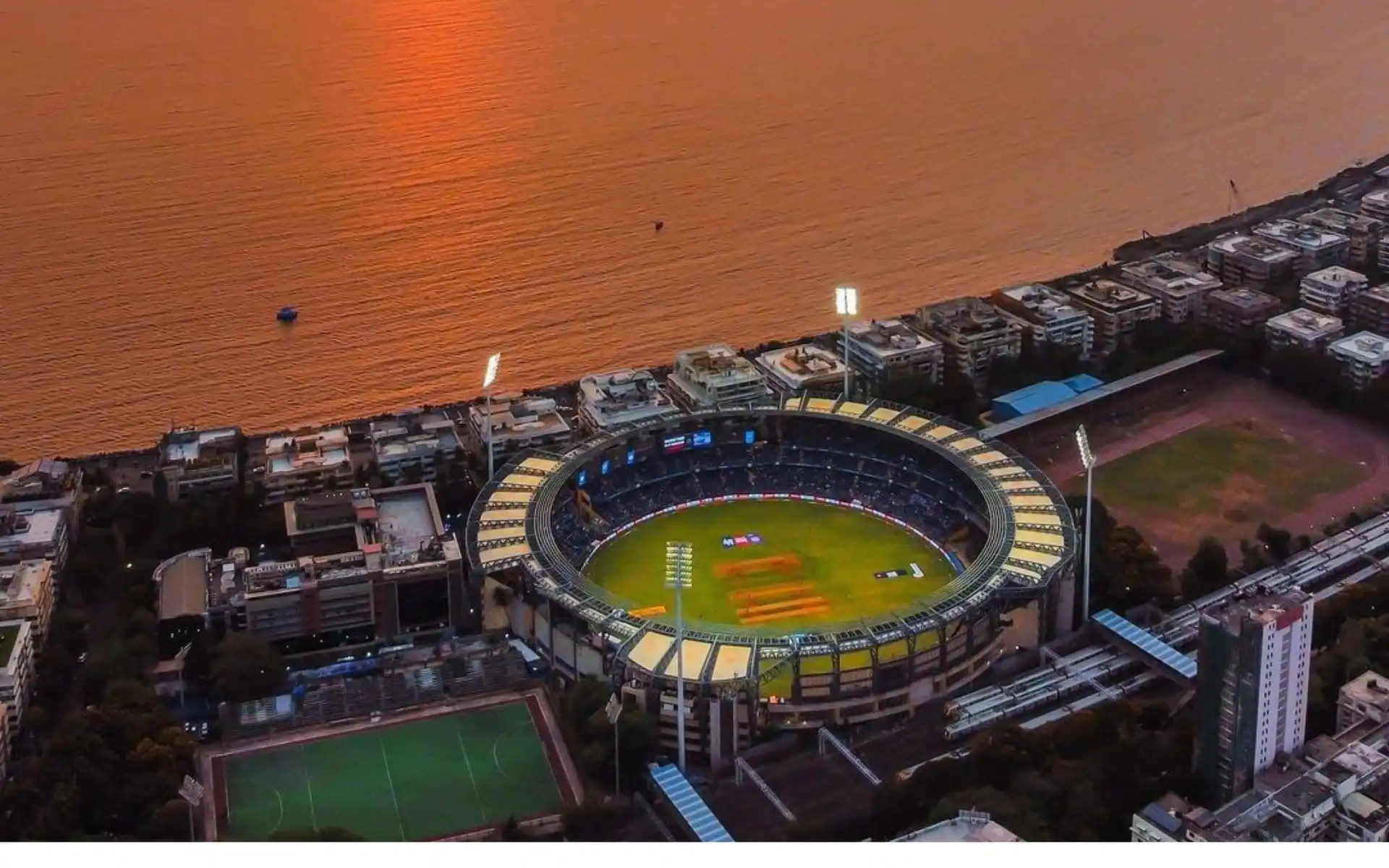
Compared to Ahmedabad’s giant bowl, Wankhede feels compact and intense. The stands sit close to the field, and when the crowd is in full voice, the noise has a sharp, immediate quality that television never fully captures. Its coastal location can bring pleasant breezes on some evenings, though humidity and heat can still build up during certain parts of the season.
Capacity here is more modest than at the mega‑arenas, but that does not mean shorter queues by default. The central location and tight footprint of the stadium mean access roads and gate approaches can be heavily congested on match days. Fans should allow ample time not only for security screening but also for navigating traffic around the ground itself, especially when arriving from other parts of Mumbai by car or taxi.
Bag expectations are similar to other major international venues: aim for a small, soft bag or waist pack at most, and leave bulky items back at your hotel. Bringing outside food, large bottles, or items with metal components often leads to delays or refusal at the gate, so travel light. Once inside, you will find food stalls scattered around the concourses, offering a blend of local flavours and familiar snacks. Because the stadium is embedded in one of the busiest parts of the city, many fans choose to eat lightly during the match and enjoy proper meals before or after the game in the surrounding neighbourhoods.
Arun Jaitley Stadium, Delhi – Historic Ground in a Modern Capital
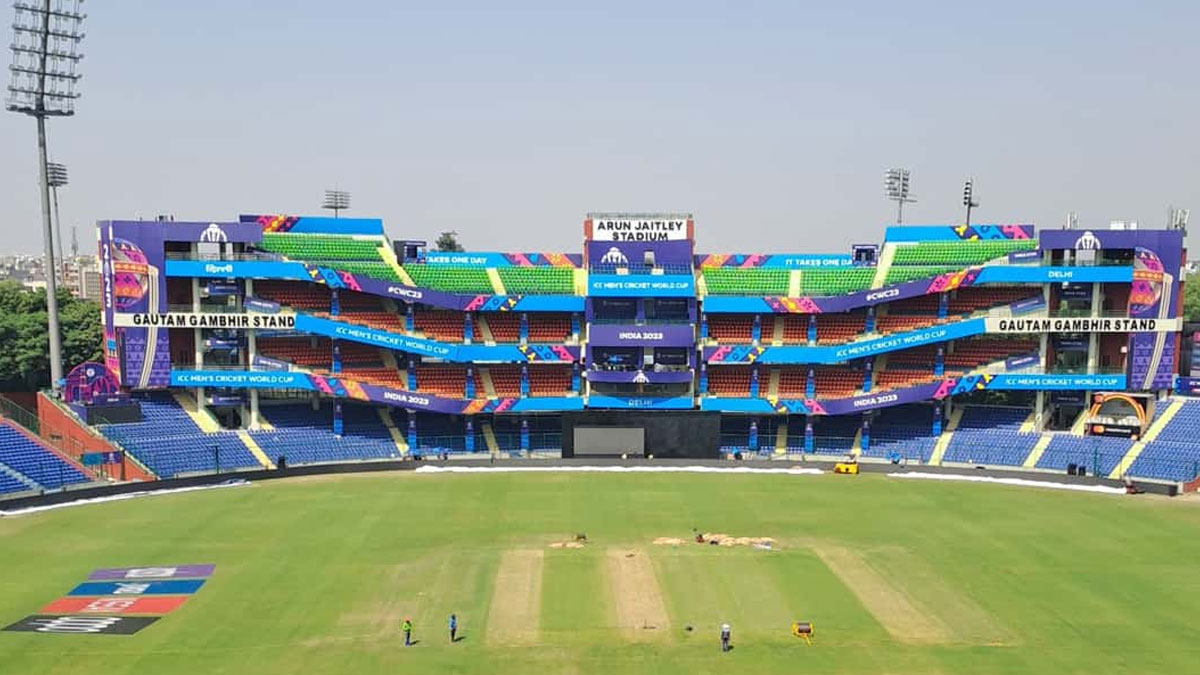
Located in the heart of the Indian capital, Arun Jaitley Stadium combines an older cricketing legacy with upgraded stands and facilities. The seating arrangement creates a more traditional, enclosed feel, with the crowd seeming to sit right on top of the action when the game heats up. Day‑night matches here can experience a noticeable change in conditions as the evening progresses, which adds to the sense of theatre for fans watching live.
From a capacity and circulation perspective, this ground is large enough to produce a strong roar without feeling endless. That said, the fact that it sits within a busy urban environment means approach routes can quickly clog up. Metro lines and arterial roads feed into the area, so it pays to choose your transport in advance: public transit where it is comfortable and safe to do so, or pre‑planned taxi rides that allow extra time around rush hour and match start.
Security at major games is thorough, and you should assume that every bag will be checked. Slim down your belongings to essentials, avoid bringing wrapped food, large liquid containers, or items that could be considered potentially hazardous, and keep your ticket and identification easily accessible. Once inside, the facilities are a mix of older and newer structures, with food and beverage outlets in key concourse areas and restrooms that can become crowded at peak times. As with many grounds, visiting families and older fans often prefer to arrive early, settle into their seats before the rush, and move around the stadium before the innings break crowds arrive.
MA Chidambaram Stadium, Chennai – Heat, Humidity, and Pure Cricket Passion
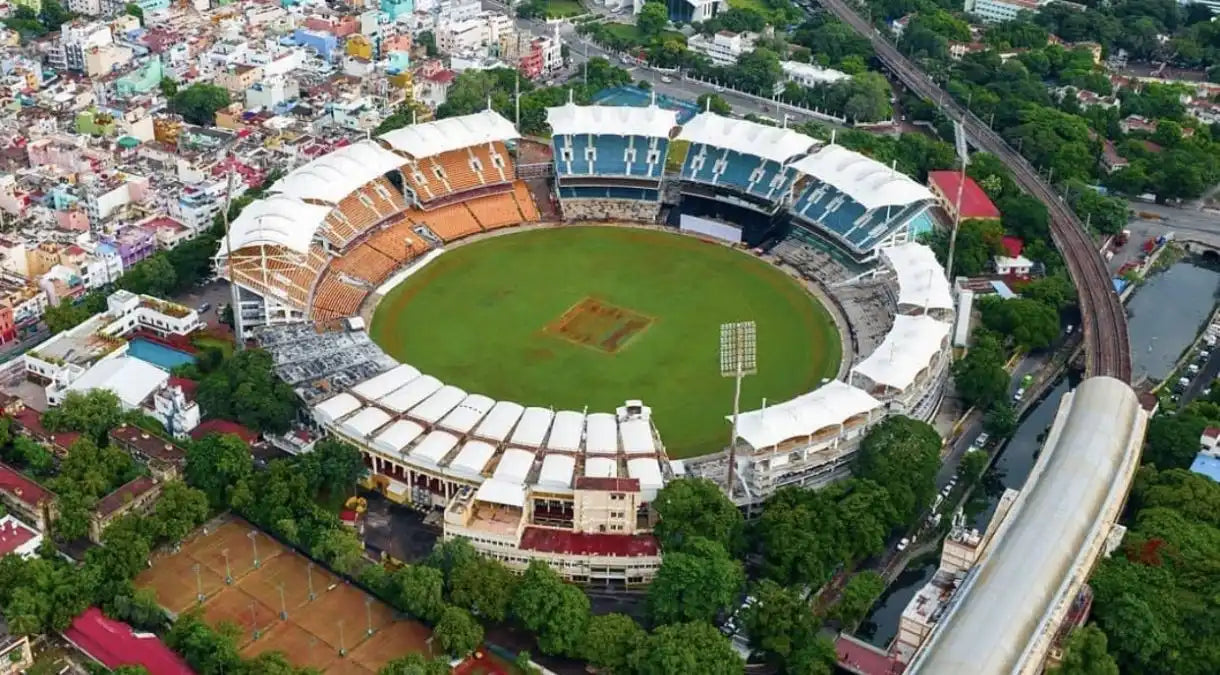
Chennai’s main cricket ground has a reputation for passionate crowds and weather conditions that can be demanding for players and spectators alike. The stands are arranged to give strong views of the action, and when the home crowd finds its voice, the stadium’s acoustics amplify every chant and drumbeat. The combination of coastal air, warm evenings, and intense support creates a memorable T20 atmosphere.
Because of the climate, shade and airflow matter. When booking tickets, many fans seek sections that offer cover from the sun during day games, or better circulation on still evenings. On match day itself, light clothing, hats, and staying hydrated become basic survival tools. Official policies on bringing in water can vary, so always check your ticket instructions; sometimes only sealed bottles are allowed, and at other times you may have to rely on water sold inside.
Bag policy usually follows the same cautious line as other large events: small and simple is best. Leave large backpacks, big lenses, kitchenware, and similar items at your accommodation. Security staff need to move screening quickly, and bringing borderline items only slows you down and increases the chance of being turned away. Once you are in, expect familiar stadium snacks plus local twists at food counters, with the busiest times naturally clustering around innings breaks. Plan restroom visits early, especially if you are seated in popular sections where aisles can become crowded.
Eden Gardens, Kolkata – Theatre of Noise and Tradition
Eden Gardens carries a mythic status in cricket, and a T20 World Cup night here will be on the bucket list of many supporters. The bowl‑like structure, steep stands, and historic aura combine to create a sense that every ball and boundary matters a little bit more. When full, the sound rolls like a wave around the ground, and even neutral matches can feel like grand occasions.
Capacity is substantial without being overwhelming, but the central location and strong local support mean that gates and surrounding streets can still be extremely busy. Arriving well ahead of time is one of the simplest ways to lower stress; plan to be inside, seated, and settled before the teams walk out. This not only helps you avoid last‑minute scrambles but also allows you to soak in the build‑up, music, and crowd choreography that make big nights here so special.
As at other major venues, expect a strict approach to what you can carry. Bags should be kept small and easy to inspect, and it is safer to assume that large food items, cans, glass, and big cameras will not make it through. Many regulars step into the ground with nothing more than a compact pouch, their phone, and a bit of cash or a payment card, relying on the stadium’s own vendors for drinks and snacks. Restrooms and food counters are widely distributed, but queues balloon at interval, so using quieter periods right after you arrive or during lulls in play is a good idea.
R. Premadasa Stadium, Colombo – Night Cricket Under Island Skies

In Colombo, R. Premadasa Stadium regularly hosts high‑profile limited‑overs matches and is likely to feature prominently during the T20 World Cup. The venue is known for lively crowds, particularly when Sri Lanka are playing or when neutral fixtures carry high stakes. The floodlights give evening games a distinctive glow, and conditions can shift as humidity, breeze, and dew levels change through the night.
Capacity here is designed to generate noise without sacrificing sightlines, meaning most seats enjoy clear views of the pitch and scoreboards. However, like many urban venues, the area around the ground can become congested, particularly when popular teams are involved. Planning your route to and from the stadium, and agreeing on meeting points with friends or family in advance, can prevent the confusion that often follows the final ball.
Bag rules at major matches in Sri Lanka generally mirror international norms: small bags only, no sharp objects, no glass, and strict control of outside food and large drink containers. It is usually better to bring as little as possible and purchase what you need from the concession stands once inside. Food options often include both local dishes and more familiar fast‑food items, and queues tend to spike at the innings break. Restrooms are functional but busy; as in other venues, time your breaks strategically rather than waiting until the entire stand heads for the concourse at once.
Sinhalese Sports Club Ground, Colombo – Classic Club Atmosphere

Also in Colombo, the Sinhalese Sports Club (SSC) Ground offers a more traditional, club‑style setting compared to some of the larger, more modern stadiums. The ambience is relaxed yet serious about cricket, with seating that feels close to the action and sightlines that make it easy to follow every nuance of play. For many fans, watching a World Cup game here will feel like being invited into the city’s cricketing living room.
Because it is not a mega‑arena, capacity is lower, and the fan experience is more intimate. That can make ticket demand even higher, but once you are in, moving around the ground is often simpler than at the biggest venues. Entry points may be fewer, so arriving early still matters, yet once the initial wave is processed, concourses and general areas can feel less crowded than at some larger stadiums.
Bag and security procedures at a World Cup event will still be professional and thorough. Even in a more club‑like environment, expect guards to enforce common‑sense rules about size, contents, and materials. Carry a single small bag if you must, and leave everything else where you are staying. Inside, food and drink offerings may feel a bit more local and community‑driven, which many supporters see as part of the charm; just remember that supply is tuned to capacity, so do not wait until the last second to get what you need.
Pallekele International Cricket Stadium, Kandy – Cricket in the Hills
Pallekele, near Kandy, brings a scenic dimension to the T20 World Cup. The ground is set against a backdrop of hills and greenery, giving day matches a completely different visual feel from coastal or urban venues. As evening comes on, cooler air and changing light create a distinctive atmosphere that television cameras only partially convey.
The stadium’s capacity is sized for strong crowds without dwarfing the surrounding landscape, and the bowl design gives most seats pleasant views of both the pitch and the hills beyond. Because the ground is reached by roads that wind through hill country, travel times can vary more than flat‑city distances suggest. Fans should factor this in when deciding when to leave Kandy or their nearby accommodation for the match, particularly if rain is in the forecast or big teams are playing.
Bag policy and entry checks follow the same general pattern you see across major tournaments: keep it small, simple, and easy to inspect. Hill‑country weather can change quickly, so a light waterproof layer or compact poncho that folds easily into a small bag can be useful, but anything bulky or metallic is best left behind. Once inside, the experience leans toward a relaxed, scenic outing combined with the intensity of international cricket, making it a favourite for supporters who want both sport and setting in one package.
General Tips for Capacity, Bags, and Match‑Day Comfort
Across all venues, the same core principles apply. Large capacities mean you should never underestimate how long it takes to move tens of thousands of people through security, to their seats, and back out again. Always build in more time than you think you need, particularly if you are travelling with children, older family members, or a large group.
For bags, think minimalist. A small crossbody, belt bag, or compact backpack with only essential items will nearly always produce a smoother experience than arriving with bulky luggage or shopping bags. Keep tickets, ID, and payment methods easy to reach, and assume that outside food, large bottles, and anything that looks like professional equipment may be turned away.
Most importantly, remember that stadium guides are at their best when you pair them with fresh, official information. As the tournament draws closer, check your tickets, event emails, and the organisers’ announcements for any updated rules on capacities, gate timings, prohibited items, and any special arrangements for particular matches. Combine that with the strategic mindset in this guide, and you will be ready to enjoy the ICC Men’s T20 World Cup 2026 in comfort and confidence.